
The Worm Ladies' Rhody Worms™
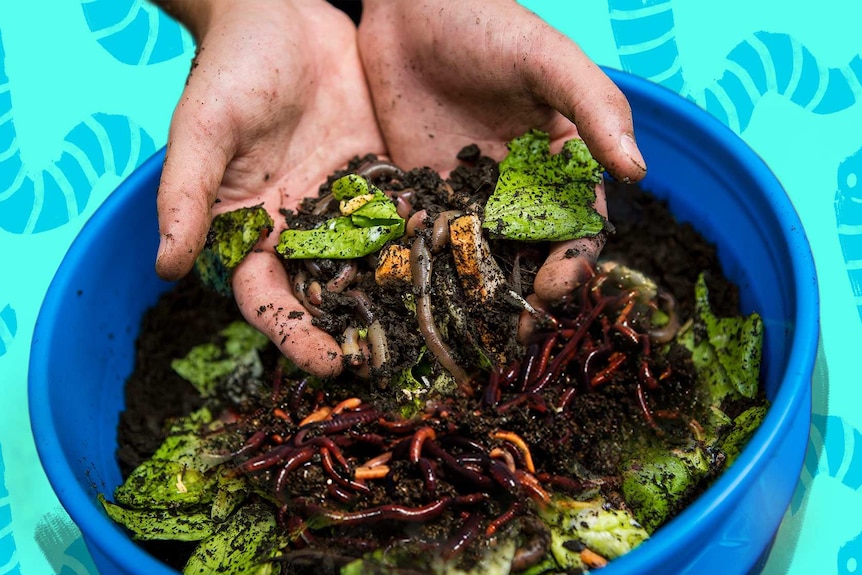
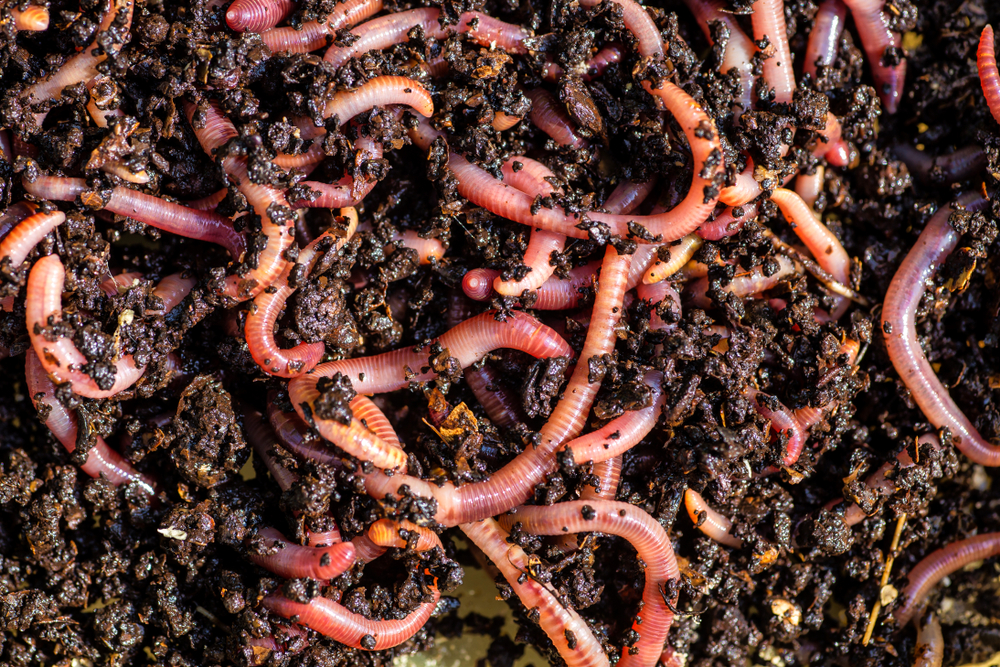
Also known as red wiggler worms or Eisenia fetida, these worms are used to break down the organic wastes in compost and decaying matter; their poop or castings are used as a soil enhancer and fertilizer in the garden, on the lawn, or in houseplants. Unlike other earthworms, red wigglers are surface feeders with the ability to consume up to half their body weight in decayed matter each day so household and agricultural waste are perfect food for the red wigglers who turn it into worm castings – natures perfect food. This species of worm does not migrate so can be easily kept in captivity by providing a home, air, moisture and food. They do all the work!
Worms are hermaphrodites (both male and female). Each worm can produce up to 2-3 cocoons or capsules per week which hatch out every 3 weeks producing tiny white baby worms called threads. The baby worms that survive will mature to reproductive age in two months. Therefore there can be a rapid increase in population to eat more garbage or share with a friend. Under ideal conditions with plenty of food and room in an established bin, one pound of worms can double in three to four months.
Why vermicomposting? (Using worms for composting)
- There is no unpleasant odor when using the red wigglers for composting because it is an aerobic process.
- Vermicomposting dramatically speeds up the decomposition process so the end product is available sooner.
- Red wiggler worms can compost as much as 35% of waste created in the home and garden, thereby reducing waste in landfills - saving money by paying less to dispose of waste.
- Save money by making your own soil enhancer/fertilizer that is organic, no matter what you feed the worms.
- Vermicomposting can be done under your kitchen sink, in your garage or in the yard.
- It is convenient, interesting, easy, and fun!
If each of us takes responsibility to take care of our own waste, the world will be a better place.
Rhody Worm™ castings
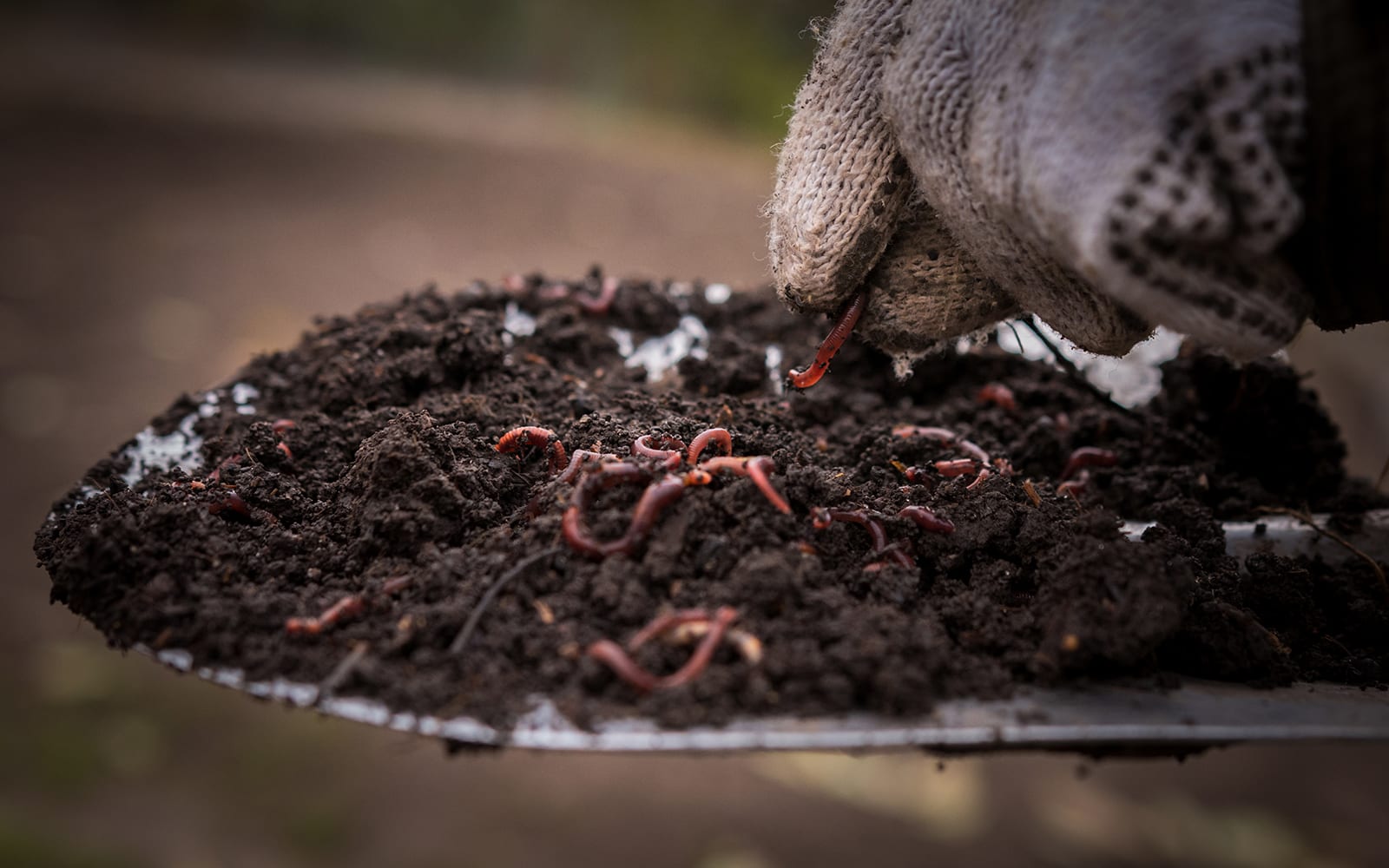
Castings are the Rhody Worm's manure (worm poop). They contain a highly active biological mixture of bacteria, enzymes, remnants of plant matter and animal manure. They are rich in water-soluble plant nutrients and contain 50% more humus than what is normally found in topsoil. They contain a high concentration of nitrates, phosphorous, magnesium, potassium, and minerals such as manganese, copper, zinc, cobalt, borax, iron, carbon, and nitrogen – all in natural proportions.
Castings are absorbed easily and immediately by plants (unlike chemical fertilizers and manure,) and they will never burn plants.
Our castings are perfect for use on vegetables or flowers. Incorporate 1 part of castings to 10 parts of soil for vegetable and a little less for flowers. As little as a tablespoon or pure worm castings provides enough organic plant nutrients to feed an 8-10 inch plant for more than two months.
Make a “tea” of worm castings to use when watering household plants, flowers, and vegetables.
Worm castings can be sifted for starting seeds. Mix with peat moss and perlite. Do not use more than 20-40% castings in the mix.
How to set up and feed your "Rhody Worms"
One to two pounds of worms will be comfortable in a bin 2' x 3' or an 18 gallon container. One pound of worms contains anywhere from 650 to 2,500 worms. The worms you receive will be a bed run of worms, cocoons, baby threadlike worms, and worms in different stages of development. Your red wigglers may loose up to one third of their body weight during shipping but they will quickly gain it back. There may be tiny white "bugs" called protura included with your worms. They also break up the food and are harmless inhabitants of your worm bin along with many other creatures. Under proper conditions two pounds of adult worms will process up to seven pounds of scraps per week. The worms do all the work - you just feed them! Remember not to feed the worms any meat or dairy products as well limiting anything excessively oily. The oil will clog their skin and they will be unable to breathe.
1. CREATE YOUR BIN
Indoor bins: Punch or drill ¼" holes on all four sides of the bin. Worms need air! You will not need holes in the bottom when you begin.
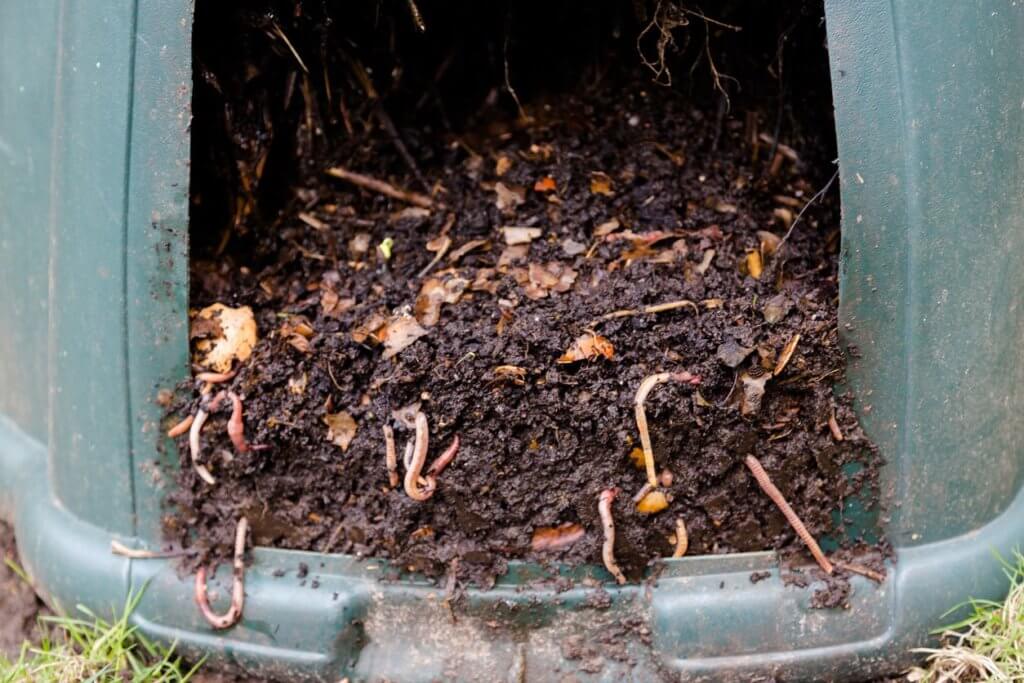
Outdoor bins: The worms will survive the winter if there is no bottom. The worms go deeper into the ground and then will come back up again in the spring. If you add items like the vacuum cleaner bag, dryer lint, wool or cotton items, it will keep the worms warm in the winter and insulate them from the cold temperatures.
2. MAKE A BED FOR THE WORMS
Using any combination of shredded newspaper, coir, or peat moss, make a bed in the bottom 4-6 inches of the bin. Throw in a handful or two of "dirt." The dirt provides grit to break down the food in the worm's gizzard. Do not put shovelfuls of dirt in as the worms will not eat it. Dampen the bedding with water until it reaches the consistency of a wet sponge.
3. PUT THE WORMS IN THE BIN AND FEED THEM
Place the worms in the bin. Make several pockets in the bedding and put in the vegetable scraps, spoiled fruits, coffee grounds, tea bags, crunched egg shells, or whatever you have. Outdoors you can use leaves and any kind of manure as well. DO NOT put in meat, fat, oily foods, dairy products, tin foil, plastic, or metal — that stuff is just not appropriate for the worms. If you are using an purchased compost bin outdoors, just put the worms on top of the bedding and scraps and they will find their way to a comfortable spot. For outdoor compost piles — add worms directly to the outer edge. The worms will find a comfortable place to live. Be sure to keep the pile and bins moist.
4. COVER THE BIN
Add food whenever you have it, but remember that one pound of adult worms can only eat a half-pound a day so don't overfeed them. Check the moisture from time to time to be sure they are not too wet or too dry. Cover the food in the bin with bedding and then place a cover on the bin if you want — however, it is not necessary.
Harvesting the Castings
Discontinue feeding for several days before harvesting the worms. Then try one or more of the following methods of harvesting the worms from the castings:
- The Melon Method: Place the remains of a decomposing melon on one side of the bin and the worms will flock to the melon.
- The Onion Bag Method: Place food scraps in an onion bag and the worms will enter the bag to reach the food and the bag can then be removed.
- The Dumping Method: Place the contents of the worm bin on a black plastic bag in the light. The worms do not like the light and will keep going to the bottom of the pile. Keep scooping the castings off the top and harvest the worms at the bottom.
- The Divide the Bin Method: Divide the bin in half and feed only one side of the bin. The worms will move to the side with the food.
The castings may be sifted with a mesh screen for starting seeds or making “tea.”
The threads or babies should move with the larger worms. The cocoons may end up in the castings.
Use the castings on a 1 part castings to 10 parts other material.